
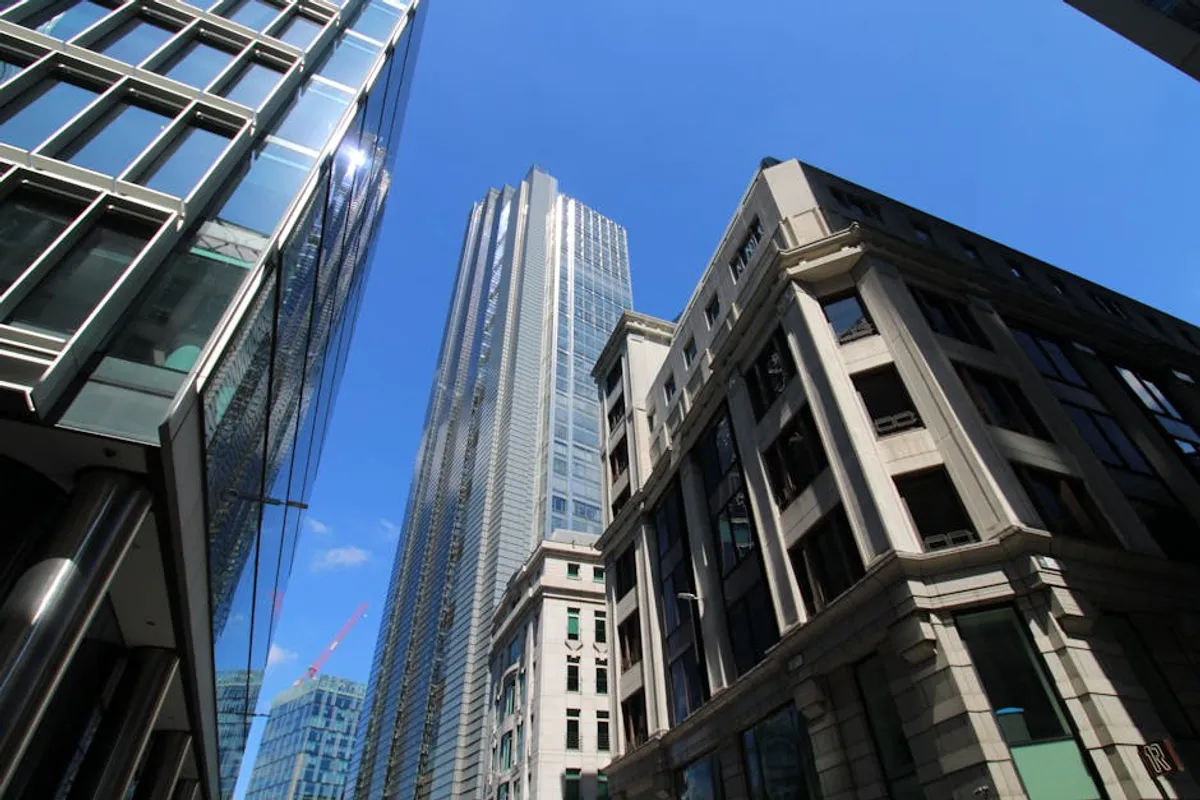
Analyzing the content landscape around "Mayfair London Explained" reveals a rich opportunity for publishers to capture diverse search intent. This topic encompasses a wide array of information, from historical context and cultural significance to practical visitor guides and luxury lifestyle insights. Understanding the specific features that define Mayfair, the underlying search intent of its audience, and exploring alternative content approaches can significantly enhance organic visibility and user engagement for any entity aiming to cover this prominent London district.
What "Mayfair London Explained" Appears to Cover
Content focused on "Mayfair London Explained" typically addresses several core areas, reflecting the multifaceted nature of the district. A primary category involves its historical evolution, detailing its aristocratic origins, architectural heritage, and transformation into a global hub for luxury and finance. This includes articles on famous residents, significant buildings like Burlington House, and the development of its distinctive street plan. Another key area covers its status as a luxury destination, encompassing high-end shopping on Bond Street and Savile Row, Michelin-starred restaurants, exclusive hotels, and art galleries. Practical visitor information forms a substantial content cluster, providing details on transportation, local attractions, hidden gems, and recommendations for dining and entertainment. Furthermore, content often delves into the economic and social aspects, discussing property values, business opportunities, and the cultural impact of Mayfair on London's identity. Explanations of specific events, festivals, or seasonal activities within the district also fall under this umbrella, offering timely and relevant information.
Key Content Categories:
- Historical and Architectural Context: Articles detailing Mayfair's past, notable buildings, and urban development.
- Luxury Lifestyle and Retail: Guides to high-end shopping, fine dining, exclusive services, and luxury accommodation.
- Visitor Information and Attractions: Practical advice for tourists, including transport, popular landmarks, and less-known points of interest.
- Cultural and Artistic Scene: Coverage of art galleries, auction houses, theaters, and cultural events.
- Real Estate and Investment: Insights into the property market and business environment within Mayfair.
Where Its Search Traffic May Come From
Organic search traffic for content explaining Mayfair London originates from various user queries, primarily informational and navigational. Users seeking "Mayfair history," "best restaurants Mayfair," "things to do in Mayfair," or "Mayfair art galleries" represent direct informational intent. Navigational queries might include "Bond Street shops Mayfair" or "hotels near Berkeley Square." Long-tail keywords are also prevalent, such as "Mayfair hidden courtyards" or "Mayfair property market trends." Traffic can also be driven by queries related to specific events, exhibitions, or seasonal guides (e.g., "Christmas in Mayfair"). Geographic modifiers like "Mayfair London map" or "Mayfair walking tour" indicate users looking for localized information. Beyond direct searches, content on this topic can attract traffic through related searches for "luxury London districts," "UK heritage sites," or "London travel guides" where Mayfair is a prominent feature. The authority and comprehensiveness of the content, coupled with effective internal linking and schema markup, dictate how much of this diverse search landscape a content piece can capture.
Search Intent Behind "Mayfair London Explained"
The search intent associated with "Mayfair London Explained" is predominantly a mix of informational, navigational, and commercial investigation. Users expressing informational intent seek to understand the district's characteristics, history, or cultural significance without immediate plans for a visit or purchase. Examples include queries like "what is Mayfair known for" or "Mayfair architecture style." Navigational intent is evident when users search for specific landmarks, streets, or establishments within Mayfair, such as "Claridge's hotel Mayfair" or "Mount Street gardens." Commercial investigation intent arises when users are planning a visit, looking for services, or considering purchases. This includes searches like "luxury shopping Mayfair," "Mayfair fine dining reservations," or "Mayfair property for sale." Some queries may also exhibit transactional intent, though less common for broad "explained" content, such as "book Mayfair hotel" once a specific option has been identified. Effective content addresses all these layers of intent, moving users from initial curiosity to potential action by providing comprehensive, well-structured information.
Why Traffic May Rise or Fall
Organic search traffic for content explaining Mayfair London can fluctuate based on several factors. Seasonal tourism trends significantly impact visitor-focused content, with peaks during holiday periods or major events. Economic shifts affecting luxury spending or tourism can also influence search volume for related commercial queries. Changes in Google's algorithms that prioritize certain content types, such as local content, authoritative sources, or visually rich results, will directly affect visibility. The emergence of new attractions, businesses, or cultural events in Mayfair can create fresh search demand, while the closure of established ones might diminish interest in older content. The competitive landscape plays a role; new, highly optimized content from other publishers can displace existing articles. Furthermore, external factors like travel restrictions, public health concerns, or major news stories impacting London can lead to sharp declines in search interest for travel and leisure topics related to Mayfair.
How Content Explaining Mayfair London Could Improve Organic Visibility
To enhance organic visibility for content centered on "Mayfair London Explained," a strategic approach focusing on content depth, user experience, and technical optimization is crucial.
Content Depth and Specificity: Instead of broad overviews, creating highly specific articles targeting niche aspects of Mayfair can capture long-tail search. For instance, dedicated pieces on "The History of Savile Row Tailoring" or "Hidden Art Galleries in Mayfair" provide unique value.
Structured Data Implementation: Utilizing schema markup for local businesses, events, points of interest, and FAQs can help search engines better understand and present the content, potentially leading to rich snippets and enhanced visibility in search results.
Visual Content and Multimedia: Integrating high-quality photographs, virtual tours, and video content can significantly improve user engagement and time on page, signaling content quality to search engines. Optimizing image alt text and captions for relevant keywords is essential.
Internal Linking Strategy: Developing a robust internal linking structure that connects related articles about Mayfair strengthens topical authority. Linking from general "Mayfair Explained" pieces to more specific guides creates a cohesive content cluster.
Local SEO Optimization: For content with a local focus, ensuring accurate and consistent NAP (Name, Address, Phone) information, integrating Google Maps, and encouraging user reviews (if applicable to the content type, e.g., for businesses mentioned) can boost local search rankings.
Addressing "Safer Alternatives": This implies a need for content that offers reliable, vetted information and practical, low-risk options for visitors or those engaging with Mayfair. For example, providing clear guidance on reputable booking platforms for accommodation, verified tour operators, or official transport links rather than unverified services. Content could also explore "safer" ways to experience Mayfair's luxury without excessive spending, such as free attractions or budget-friendly activities, providing alternatives to purely high-cost experiences.
What to Check Before Trusting Content Performance Estimates for 'Mayfair London Explained' Topics
When evaluating potential organic performance or traffic estimates for content related to "Mayfair London Explained," several critical factors warrant scrutiny. First, assess the data source: proprietary tools often use different methodologies and data freshness, leading to discrepancies. Relying on a single tool's estimate without cross-referencing can be misleading. Second, consider the keyword difficulty and competition. High search volume for a keyword does not automatically translate to high traffic if the SERP is dominated by established, high-authority domains. Third, evaluate the intent match. An estimate for a broad keyword might include various intents, only some of which your specific content addresses. Fourth, factor in seasonality and trends; historical data might not fully account for recent events or long-term shifts in interest. Finally, examine the content quality and depth of competing pages. If your content is genuinely superior in detail, accuracy, and user experience, it has a better chance of outperforming estimates based purely on keyword metrics.
Frequently Asked Questions About Mayfair London Explained Content
What types of historical content are most engaging for Mayfair?
Engaging historical content often focuses on specific narratives, such as the origins of a particular street, the lives of famous residents, or the evolution of Mayfair's unique architecture. Visuals like archival photos and maps significantly enhance reader interest.
How can content differentiate Mayfair from other luxury London districts?
Content can differentiate Mayfair by emphasizing its unique blend of heritage, high-end retail, and art scene, contrasting it with areas known more for finance or modern developments. Highlighting its specific cultural institutions and exclusive atmosphere is key.
What are "safer alternatives" in the context of Mayfair visitor guides?
"Safer alternatives" in visitor guides refer to providing reliable, verified information on transport, accommodation, and activities. This includes recommending official booking channels, well-reviewed establishments, and clear guidance on navigating the district safely and efficiently.
How important is local SEO for content explaining Mayfair?
Local SEO is crucial for content that helps users plan a visit or locate services within Mayfair. Optimizing for local keywords, including maps, and ensuring business listings are accurate helps capture users with immediate, geographically specific needs.



